
Play Therapy
An effective therapeutic approach to help children ages 3-10 learn coping mechanisms, express themselves, develop problem solving skills, and overcome the issues they face.
Play is the child’s language and toys are the child’s words!
Do you have concerns about your child’s social, emotional, or behavioral well-being? Do you get stuck with your child’s tantrums? Does your child have difficulty managing their emotions? Do you feel overwhelmed and not know what to do? Do you wonder if your child’s actions are developmentally appropriate?
If so, Play Therapy could be what you and your child need!
Play Therapy can address a number of concerns recognized by parents, teachers, pediatricians, and other providers in your child’s life.
What You Need to Know!
Suited for kids from 3-10 years of age - sometimes adapted for kids up to 12.
Effective for a wide range of concerns including things like adoption, grief, divorce, physical or sexual abuse, bullying, ADHD, and more!
Much more information available from the Association for Play Therapy website.
Play Therapy helps children to:
- Develop better impulse control.
- Develop new and creative solutions to problems.
- Develop respect and acceptance of self and others.
- Learn to experience and express emotion.
- Cultivate empathy and respect for thoughts and feelings of others.
- Learn new social skills.

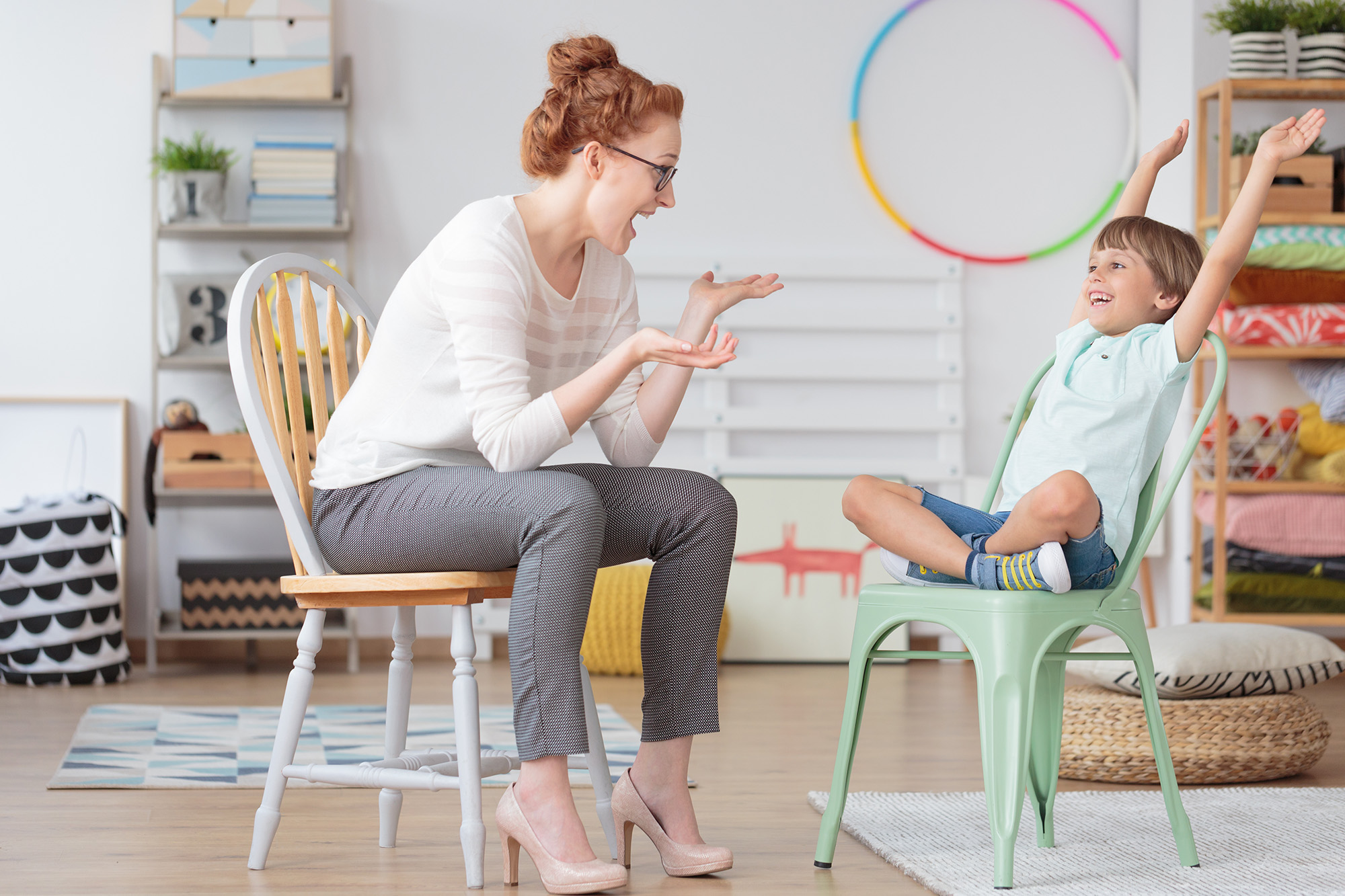
Child Centered Play Therapy is the evidence-based, preferred method of treatment for children ages 3-10 (although it can be adapted for children up to age 12). This style of therapy is appropriate for young children, as play is the child’s language, and toys are the child’s words.
Play therapy is different from regular play in that the therapist assists children in addressing and resolving their own problems. Through play therapy, children learn to communicate with others, express feelings, modify behavior, develop problem-solving skills, develop self-responsibility, maintain self-acceptance, and learn a variety of ways of relating to others.
Play provides a safe psychological distance from their problems and allows expression of thoughts and feelings appropriate to their development.
Play is a fun, enjoyable activity that elevates our spirits and brightens our outlook on life. It expands self-expression, self-knowledge, self-actualization, and self-efficacy. Some techniques used in play therapy include puppets, expressive arts, anger release toys, sand tray, bibliotherapy, dollhouse, and mask making.
Small steps now can make a big difference
With the right support, children can build confidence, navigate big feelings, and feel more at ease in their world. We’d be glad to support your family along the way.